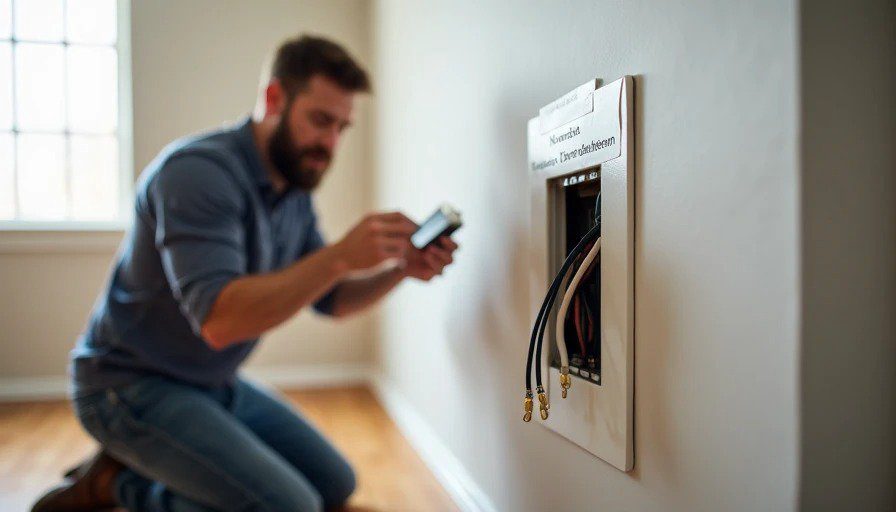
I trusted a professional. And it cost me.
Not money – not directly, anyway. It cost me time, convenience, and the ability to turn my lights on from my phone. It cost me the smart home I'd been dreaming about for years. And it cost me the satisfaction of knowing I'd done it right.
My electrician is a good guy. Licensed, experienced, honest. He's wired hundreds of houses. He knows the code inside and out. And when I handed him my "smart home pre-wire spec" – complete with neutral requirements, conduit runs, and Cat6 drops – he looked at it, chuckled, and said:
"Smart-ready is a gimmick. You don't need any of this. Save your money. In five years, everything will be wireless anyway."
I was a first-time renovator. I didn't know any better. I'd read a few forum posts, but I wasn't confident enough to argue. So I listened.
I let him talk me out of neutrals at the switches. I let him talk me out of conduit to the media wall. I let him talk me out of the structured wiring cabinet and the extra Cat6 runs. I agreed to "do it the way we always do it" – because he was the expert, and I was just a guy with a dream.
I regret it every single day.
The moment I realised I'd made a mistake
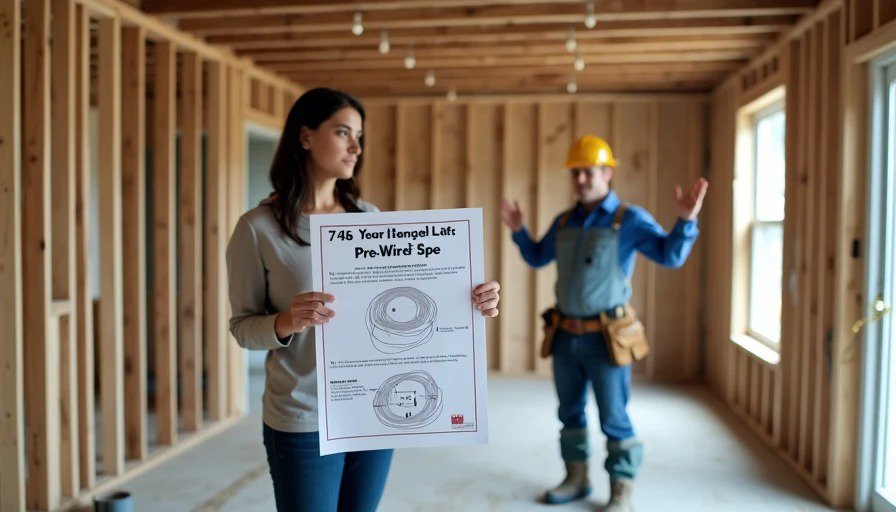
It happened about three weeks after we moved in. I was standing in my living room, holding a brand-new smart dimmer, ready to install it in the switch box that controlled the overhead lights. I turned off the breaker, opened the box, and looked inside.
And there it was: a single 14/2 cable – black, white, and ground. No neutral in the box. No way to power a smart switch.
I stared at it for a full minute, hoping I'd misidentified the cable. Maybe it was 14/3? No. Maybe there was a neutral tucked behind the box? No. It was just a simple switch loop – exactly what my electrician had wired, exactly the way he'd done it for 25 years.
I called him. "Hey, this switch box doesn't have a neutral. I thought I asked for neutrals everywhere?"
He paused. "You did. But I told you it was a waste of money. Smart switches are going to be obsolete in a few years anyway. You don't need 'em."
I didn't know what to say. He was right about one thing – I'd agreed to skip them. But I didn't realise what I was giving up.
What I can't do now
Let me give you the full list of things I can't do because I didn't run neutrals:
I can't install a smart dimmer in the living room. The one place I really wanted to dim the lights from my phone or set scenes for movie night – can't do it.
I can't install a motion sensor switch in the hallway. I wanted lights that turn on automatically when you walk in. Instead, I have a dumb switch I have to remember to turn off.
I can't add a smart switch in the kitchen. I wanted to control the under-cabinet lights with a voice command. Now I have to use the switch like a caveman.
I can't install a fan switch with a remote. The fan I bought has a smart controller, but it needs a neutral. It's sitting in a box in my garage.
I can't even add a smart plug in the wall – because there's no neutral at the outlet, so I can't replace the outlet itself. I'm stuck with plug-in smart plugs that take up an outlet space.
Every room in my house has at least one switch box that's useless for smart control. And every time I reach for my phone to turn off a light that's not connected, I feel a little pang of regret.
The "wireless everything" lie
My electrician's argument was that "everything will be wireless anyway." And sure, some things are wireless now. Zigbee, Z-Wave, Thread, Wi-Fi – they're all useful. But here's what he didn't tell me:
Wireless switches still need power. And that power comes from a neutral.
He also didn't tell me that wireless sensors need batteries, and that batteries die. Or that wireless devices are more expensive than wired ones. Or that wireless networks can get congested in a house full of devices.
He also didn't tell me that new standards like HDMI 2.1 require high-bandwidth wired connections – and that I'd eventually need to run new cables to my TV wall. Which I can't, because there's no conduit.
Wireless didn't save me. It just gave me a house that's harder to upgrade.
The cost of saving money
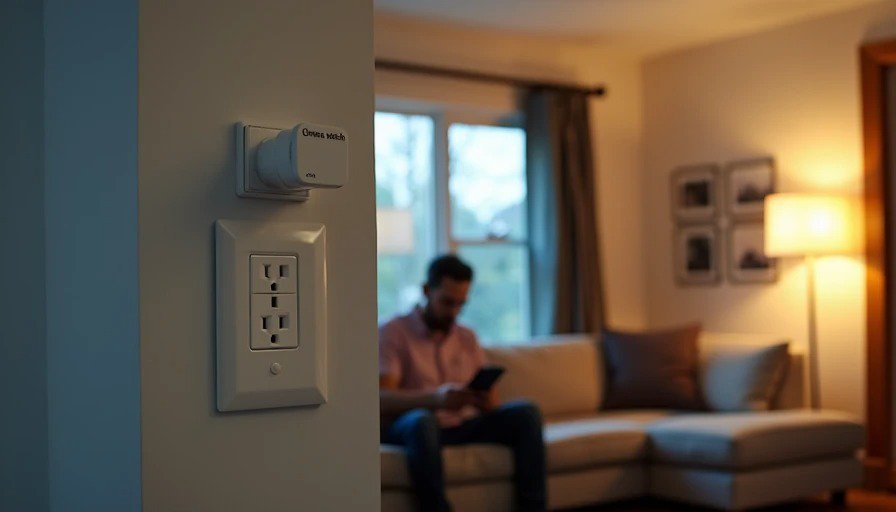
I saved maybe $300 by skipping neutrals and $200 by skipping conduit. That's about $500 in total. In the grand scheme of a $50,000 renovation, it's a rounding error.
But the cost of not having that infrastructure is far higher:
Time: I've spent hours researching workarounds, trying to find smart switches that work without a neutral (there are a few, but they're unreliable and expensive).
Money: I've bought and returned three different switches that didn't work in my boxes. I've bought smart bulbs that cost more than the dimmers would have.
Convenience: I've given up on scenes, schedules, and automation for half the rooms in my house. My smart home is a patchwork of workarounds, not a cohesive system.
If I'd spent that $500 upfront, I'd have a house that works exactly the way I want it to. Instead, I have a house that I'm constantly working around.
What I'm doing about it
I'm not going to cut drywall. Not for neutrals, anyway. It's too much work and too much mess. Instead, I'm living with it – and learning from it.
But I've made a few small changes:
In the one switch box that had a neutral (the kitchen, for some reason), I installed a smart dimmer and it works beautifully.
In rooms where I don't need dimming, I've installed smart bulbs that are controlled by a Zigbee hub.
I've added a few wireless sensors that run on batteries – they're not perfect, but they work.
And I've started planning my next renovation. Yes, I'm already thinking about the next house. And when I build that house, I'm going to spec neutrals everywhere. I'm going to spec conduit to every room. I'm going to spec Cat6 to every wall plate.
I'm going to listen to the forum, not the electrician.
The lesson I learned
The lesson isn't that electricians are bad – they're not. The lesson is that they're experts in code, not in your lifestyle. They know how to wire a house safely. They don't know how you want to live in it.
My electrician was right about one thing: he saved me money. But he was wrong about everything else. He saved me money on something I actually needed, and cost me the convenience I was trying to build.
Next time, I'll listen to the expert who knows my lifestyle – me.
What I'd tell my pre-reno self
If I could go back and talk to myself, standing in that gutted house, listening to the electrician, here's what I'd say:
"He doesn't live here. You do. Trust your research, not his habits."
"Run the neutral. It's $50 per room, tops. It's the cheapest insurance you'll ever buy."
"Wireless isn't the future – it's a supplement. The real future is hybrid, and hybrid needs wires."
"The best time to add infrastructure is when the walls are open. The second best time is never."
"You will not save money by skipping it. You'll just postpone the cost."
Now it's your turn
Have you been through this? Has an electrician or GC talked you out of smart-ready wiring? What did you lose, and what did you learn?
Or – if you're the one who stood your ground – share your victory. I need to hear that some people win this argument.
I'll be reading every comment, taking notes, and wishing I'd had this forum before I started my renovation.
Don't be me. Run the wire. You'll thank yourself later.
No letters yet — pray write the first.